English
 Bulgarian
 Russian


Lesson from Selling a Real Estate
Contents

Selling a property is a complex and delicate process that requires careful planning and a clear strategy. You can have a lovely property, good photos and a strong description – and still lose thousands of euros because of one single decision: the price you start with.
Today I will tell you the story of a seller who chose to ignore market conditions and lost a significant amount of money as a result.
The story: a perfect listing, the wrong price
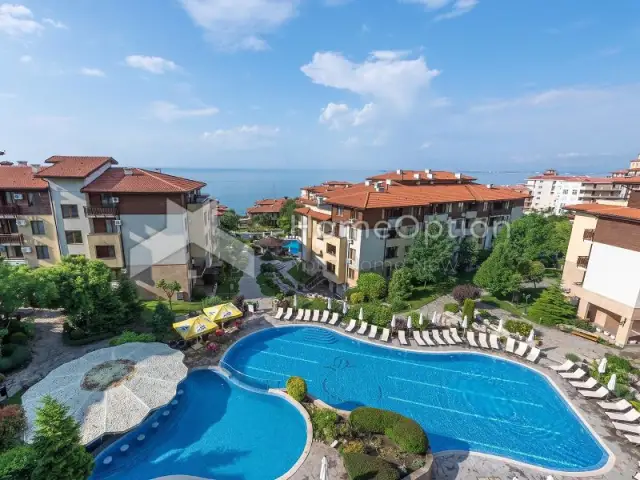
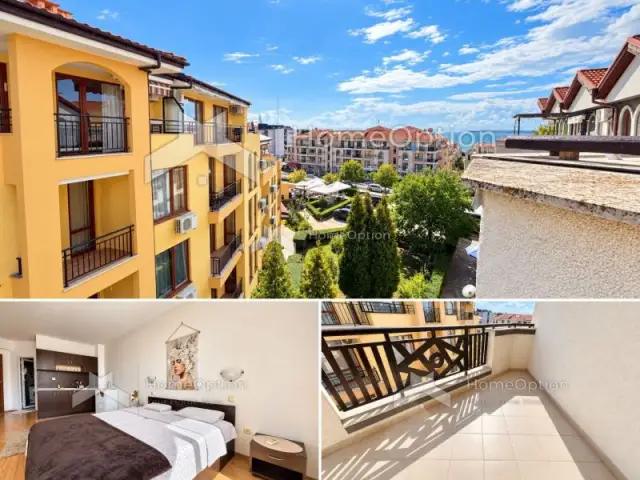
The case comes from the holiday property market around Sunny Beach. The owner was determined to sell and had done many of the necessary steps – the property was well presented, the ad was clean, with attractive photos and well-described advantages. Everything looked good except one important thing – the price.
The property was put on the market at a price 10–15 thousand euros above its market value.
What happened next
The move was risky and it hurt the interest in the offer. In the first months there were no serious enquiries or viewing requests. Potential buyers saw the higher price and simply passed by.
When the owner realised things were not going as expected, he started to reduce the price. Interested buyers gradually appeared, but it was already hard to recover the lost first wave of interest.
In the end, after several failed negotiations and a sudden financial emergency, the seller was forced to sell below market value. Instead of reaching the potential he could have achieved with the right price, he sold at a loss of almost 10,000 euros.
Why the first weeks on the market matter most
A property gets the most attention right after it is listed. Active buyers and the agents working with them watch new offers and react quickly. If the price is realistic, this is when the most serious enquiries come.
If the price is too high, that first wave passes without results. The listing goes stale, buyers start wondering what is wrong with the property, and every following price cut looks like a sign of weakness. The seller loses negotiating power – the opposite of what the higher price was meant to achieve.
How to set the right price
- Compare with properties that actually sold – not asking prices, but the prices at which similar properties in the same complex or area really sold.
- The property's features – floor, view, orientation, condition, furniture and the size of the maintenance fee.
- The documents – clear ownership, Act 16 and no outstanding debts make the sale easier and support the price.
- The competition – what other properties are on offer right now and at what prices.
- A reasonable margin for negotiation – a small buffer is normal, but an inflated price drives buyers away before the first conversation.
Mistakes that cost sellers money
- Setting the price based on what you paid or how much money you need, rather than on the market.
- Comparing only with asking prices, which are often higher than real deals.
- Changing the price often in small steps.
- Weak photos, an incomplete description or missing documents.
- Deciding to sell at the last minute, under financial pressure.
When is the right moment to sell
The right moment is when the property is prepared, the documents are in order and the price is realistic. Spring and summer bring more buyers to the coast, but serious buyers search all year round. Most importantly, do not wait until you are forced to sell – by then negotiations are no longer in your favour.
The takeaway
Any thoughtless step can have serious consequences. In real estate it is essential to analyse market trends and set the right price at the right time. Selling a property is an investment in your future, and the right way goes through the right price.
Do not rush, do not ignore market dynamics, and always consult professionals to avoid losses.